When it comes to enhancing outdoor living spaces, the choice of decking material can significantly impact both functionality and aesthetics. Understanding the distinctions between PVC and composite decking is essential for homeowners seeking the best solution. Each option offers unique benefits and drawbacks that cater to different preferences and budgets.
PVC decking is a synthetic material made primarily from polyvinyl chloride, known for its durability and resistance to rot and insects. In contrast, composite decking blends wood fibers and plastic, boasting a more natural appearance and various design options. Both materials have gained popularity in recent years but remain distinct in composition and performance.
This article will explore the differences between PVC and composite decking by examining factors such as durability, maintenance requirements, aesthetic flexibility, and environmental impact. By the end, readers will gain a comprehensive understanding to decide on the best decking material for their outdoor spaces.
What is PVC Decking?
PVC decking is a modern and highly versatile outdoor flooring option crafted entirely from synthetic materials. Polyvinyl chloride, or PVC, is the primary component in this type of decking, offering homeowners a durable and maintenance-friendly alternative to natural wood decking. Its 100% plastic polymer composition makes PVC decking unusually resistant to many common decking issues, such as moisture damage, decay, and insect infestation.
Advancements in PVC technology have significantly increased the quality of these deck boards. New manufacturing techniques have addressed previous issues related to staining and surface peeling. Now, many PVC deck options come in a variety of colors and textures that closely mimic the look of real wood, boasting enhanced aesthetic appeal.
Furthermore, PVC decking is considered a green choice since it can be fully recycled at the end of its lifespan, which reduces its overall environmental impact. This feature is especially important for eco-conscious homeowners.
It’s true that PVC decking comes at a higher cost than other decking materials. However, one of the trade-offs is its lighter weight, simplifying the installation process for DIY enthusiasts. This can reduce overall costs when you factor in the ease of installation and the long-term savings from its low maintenance requirements.

Composition and Materials
PVC decking stands out for its single-material composition, made entirely from synthetic materials. Its primary material is a blend of polyvinyl chloride, combined with various additives that enhance the deck boards’ structural integrity, provide UV resistance, and prevent color fading. On the microscopic level, these materials work together to give PVC decking its superior moisture and rot-resistant properties.
In contrast, composite decking is produced by combining recyclable plastics with wood fibers, giving the boards a more natural appearance. Although both decking options feature synthetic constituents, the wood component in composite decking means that it does not offer the same level of resistance to the elements as PVC decking does.
Some of the highest-performing PVC decking now includes advanced polymers that further boost durability, allowing decks to withstand scratches and stains, and retain their vibrant hues despite harsh sunlight.
Additionally, a category within composite decking known as “capped composite boards” includes an outer layer of PVC that adds an extra barrier against damage such as scratches, mold, and the effects of swelling due to moisture.
Key Characteristics
PVC decking boards bring several notable advantages in terms of characteristics. They are recognized for staying relatively cool even when temperatures rise, which is desirable for comfort during summer. This makes PVC decking a better option for those who frequently walk barefoot on their decks than composite decks, which can absorb and hold heat.
As far as maintenance goes, PVC decking is remarkably low hassle. There is no need for staining or sealing the material, as an occasional cleaning with soap and water is typically enough to maintain its appearance and functionality.
Regarding installation, PVC decking’s lightweight properties give it the edge over composite decking. This can make a significant difference for homeowners who prefer to handle deck installation independently, as the lighter boards are easier to manage.
Both types of decking resist common plagues like water damage, mildew, mold, and rot, but PVC decks often boast a longer lifespan due to their fully synthetic makeup. The absence of organic materials in the boards means they’re far less prone to warping, splitting, or succumbing to weather-related deterioration over time.
What is Composite Decking?
Composite decking represents a fusion of eco-friendliness and durability, blending recycled wood pulp with high-density polyethylene (HDPE). As a material, it has redefined outdoor living since its introduction in the late 1980s, offering an affordable solution for homeowners wanting to enhance their outdoor space.
Unlike natural wood, composite decking stands strong against moisture and insect infestation, boasting a dramatically increased lifespan while requiring significantly less maintenance. However, while it excels in durability, it doesn’t match PVC’s heat resistance and can be prone to melting when exposed to prolonged direct sunlight.
In terms of aesthetics, composite decking doesn’t fall short. It comes in various textures and finishes, including options that mimic the look of real wood with embossed patterns. This allows homeowners to enjoy the classic beauty of wood decks without the traditionally associated upkeep.
Key Advantages of Composite Decking:
- Moisture and insect resistant
- Longer lifespan with minimal maintenance
- Aesthetic enhancements with wood-like textures
Remember, though it is an excellent choice for many, one should weigh the occasional cleaning against its slightly lower tolerance to heat when compared to other synthetic materials.
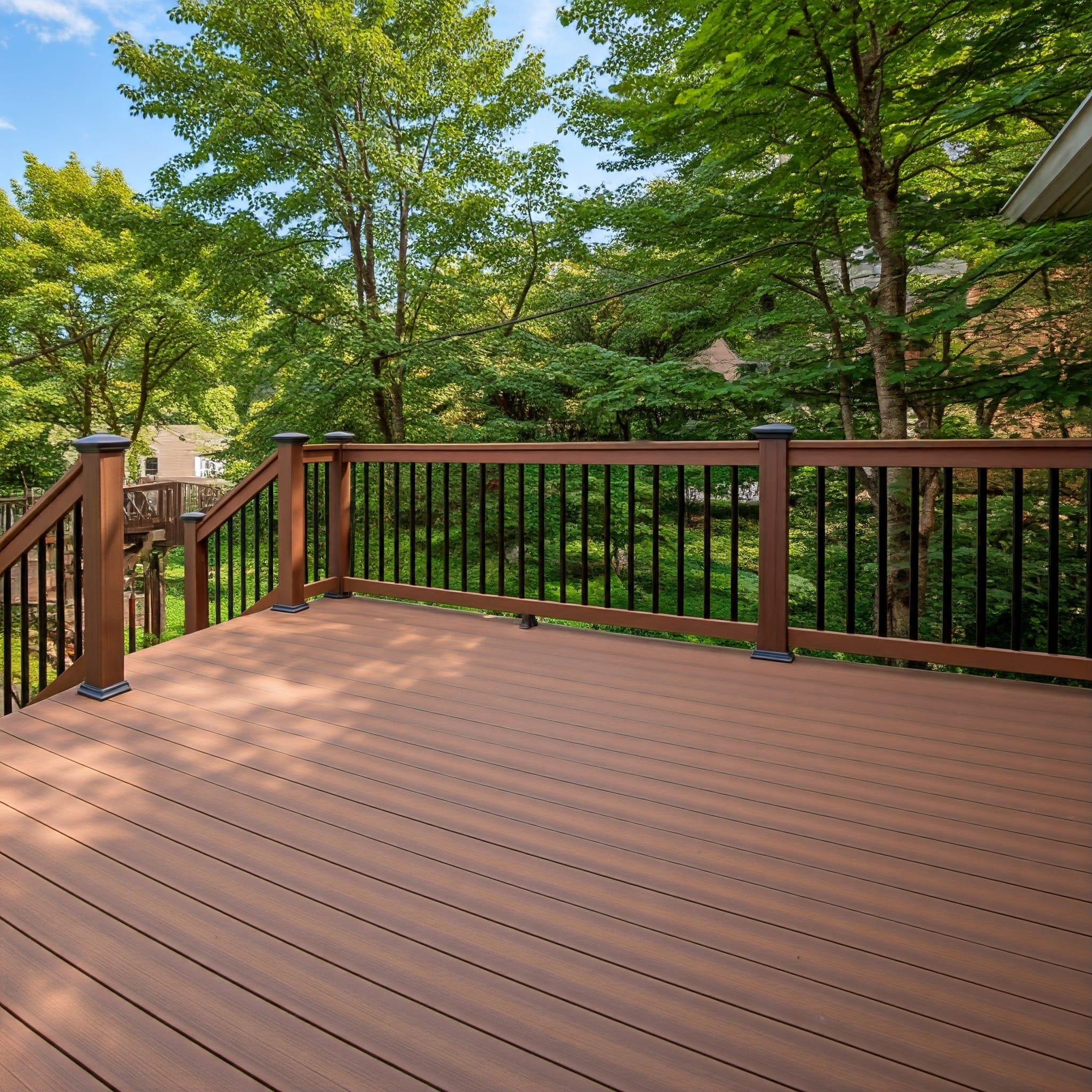
Durability and Lifespan
Durability and lifespan are crucial factors when considering decking materials for an outdoor space. PVC and composite decking are excellent choices for long-lasting outdoor use, but they offer different performance levels. Made from polyvinyl chloride, a synthetic plastic, PVC decking boasts superior durability with an impressive life expectancy of 30 to 50 years. Its synthetic nature protects against many forms of wear and tear, resulting in a longer-lasting deck.
On the other hand, composite decking, made from a blend of wood fibers and recycled plastics, offers a substantial lifespan of approximately 25 years. While it doesn’t quite match the longevity of PVC, it significantly outperforms traditional wood decks, which only last about 10 to 15 years with diligent maintenance. Capped composite decking with an additional protective layer may enhance durability over standard composite materials.
Both types of decking maintain their integrity far longer than natural wood and require less maintenance, making them durable options for decking. The selection between PVC and composite decking can often come down to design preferences, budget constraints, and the specific outdoor environment conditions where they will be used.
Lifespan Comparison of PVC vs Composite
PVC decking stands out with its remarkably long lifespan, ranging from 30 to 50 years, due to its completely synthetic composition. This longevity directly results from PVC’s resistance to various factors that typically degrade other decking materials, including rot, insect infestation, and weathering. Investing in PVC decking might involve higher upfront costs, but the extended lifespan can lead to significant long-term savings.
In contrast, composite decking generally lasts around 25 to 30 years, which is still a robust duration compared to the average lifespan of natural wood decks. High-quality composite decking materials incorporate a protective shell or cap that increases durability and can extend the deck’s life. Despite the lifespan discrepancy, many homeowners have favored composite decks for their balance of performance and aesthetic appeal.
Resistance to Weather and Wear
PVC decking excels in environments prone to moisture, such as high humidity areas or locations near bodies of water. Its inherent moisture resistance protects it from the warping, swelling, or deterioration that often plagues wood decks. Composite decking also offers notable resistance to weathering, with wood fibers and recycled plastics contributing to the material’s resilience. Both PVC and composite decks resist mildew, mold, and rot, ensuring they remain safe and attractive throughout the seasons.
For those concerned with wear such as scratches and fading, capped PVC decking presents a tough exterior with its protective shell, reducing the chances of superficial damage. Capped composite boards also enjoy increased resistance to such elements, though the additional hard shell of PVC decking might provide a slight edge in this competition.
While composite decking is relatively resistant to rot and insect damage, improper maintenance can lead to mold growth in damp conditions. PVC decking, in contrast, demands minimal upkeep to counteract common decking issues like mold and rot, making it a hassle-free option that retains its condition over a longer period.
PVC and composite decking materials are designed to endure the elements and provide homeowners with beautiful, usable outdoor space for many years. The right choice between the two often hinges on specific durability needs, aesthetic preferences, and budget.
Maintenance Requirements
Both PVC and composite decking boast the advantage of low maintenance compared to traditional wood decking options, which require regular staining or sealing. Regarding maintenance, regular cleaning is the primary task required to keep both PVC and composite decks looking their best. Though composite decking may need slightly more effort due to its wood content, the process is generally straightforward for both materials.
The maintenance routine for both types of decking includes basic activities such as occasional sweeping to remove debris, hosing off dirt, and addressing spills promptly to avoid potential staining. For homeowners, this means more leisure time enjoying their outdoor space rather than maintaining it.
Despite its superior moisture resistance, PVC decking isn’t completely invulnerable. Like any outdoor material, it needs adequate care to maintain its pristine condition. On the other hand, composite decking’s partial wood composition can make it more susceptible to moisture and rot if it isn’t capped properly. Nonetheless, both decking materials are a step up from natural wood regarding maintenance requirements and longevity.
Warranties for PVC and composite decking are usually more generous than those for treated lumber. The lifespan of a composite deck can vary widely, typically 25 to 50 years, depending on the product’s quality and the details of the manufacturing process. Such warranties underscore the manufacturers’ confidence in their decking materials’ durability and ease of maintenance.
Cleaning and Upkeep of PVC Decking
PVC decking is renowned for its minimal upkeep. Simple, regular cleaning measures are sufficient to preserve its look over time. Homeowners can deal with marks and spills using mild soapy water, contrasting with more labor-intensive maintenance required by wood decks such as painting, sanding, or sealing.
The resistance of PVC to pests and mold is a key factor contributing to the material’s lifespan and the low intensity of maintenance it demands. This is not only a matter of convenience but also translates into savings on maintenance costs throughout the deck’s life.
Understanding that homeowners value not only the initial quality but the ongoing care of their decks, many PVC manufacturers express their confidence in the product’s longevity and ease of care through extensive warranty terms.
Cleaning and Upkeep of Composite Decking
Similarly, composite decking significantly reduces the time and cost associated with maintenance. The absence of processes like staining, sealing, and painting is an advantage that both composite and PVC decking share. However, composite decks may require more attention than PVC, due to their wood fibers, which can attract dirt and are prone to mildew in certain conditions.
Although composite decking is designed with moisture resistance in mind, the incorporation of wood fibers means that it might occasionally need more thorough cleaning, particularly in humid or damp environments. This does not detract from the overall durability of the material, which is engineered to withstand outdoor elements such as rain and sun.
PVC and composite decking can be kept clean and maintained with mild soapy water. For most cleaning tasks, PVC and composite decking can be kept clean and maintained with just mild soapy water. While composite decking is highly resilient, homeowners might need to engage in slightly more frequent cleaning routines to ensure the deck remains in prime condition.
Aesthetic Options and Design Flexibility
When considering the aesthetics of decking, both PVC and composite materials offer attractive options for homeowners. Composite decking typically provides a natural wood look that can be especially effective in traditional home design settings. The blend of wood fibers and recycled materials creates a composite decking board with a texture and appearance that closely mirrors real wood, making it a preferred choice for those who appreciate the classic charm of natural wood without maintenance.
On the other hand, PVC decking offers a wider range of contemporary designs and finishes. Homeowners with modern design preferences might find PVC decking appealing due to its cleaner and more uniform appearance. PVC deck boards can be customized in color and style, resulting in a sleek, updated look for the deck. Manufacturers like TimberTech have innovated in this space, blending realistic wood patterns with a diverse palette of colors, often extending beyond the options available with other materials.
In the end, both PVC and composite decking materials provide many styles and colors, allowing homeowners to select decking that aligns with their design aesthetics and enhances the appeal of their outdoor spaces.
Color and Texture Options for PVC
PVC decking comes in a variety of color options aimed at complementing a modern aesthetic. Its smooth surface provides a chic look and practical benefits such as resistance to stains and scratches. This can contribute to the deck’s longevity, keeping it looking new and clean over the years. PVC is known for excellent color retention, an important factor for decks exposed to constant sunlight, where fading could otherwise detract from the deck’s appearance.
Although PVC typically features a more streamlined and linear grain pattern, advancements in manufacturing have allowed for products that mimic the look of natural wood. Some options even come with a laminated surface to enhance this effect. Customization is key with PVC decking, as it is available in various profiles and board widths, granting homeowners the freedom to fulfill their unique design preferences. Here’s a brief list of PVC decking options:
| PVC Decking Features | Advantages |
|---|---|
| Multiple color selections | Modern, tailored appearance |
| Smooth surface | Scratch and stain-resistant |
| Long-term color retention | Ideal for sunny areas |
| Linear/laminated grain patterns | Natural wood-like options |
| Various profiles and widths | High customizability |
Color and Texture Options for Composite
Composite decking is celebrated for its extensive range of color options, emulating the rich, deep tones and textures of natural wood that are aesthetically pleasing and providing a selection of modern hues, including trendy grays and earthy neutrals. These color choices offer versatility to homeowners and serve as an excellent junction between the deck and the surrounding nature or home exterior.
In its effort to echo the essence of real wood, composite decking frequently incorporates embossed wood grain patterns. These intricate textures bring an authentic and inviting look, catering to those who prefer the timeless aspect of wood without the upkeep. Solid coloration runs throughout composite boards, ensuring that the deck maintains a cohesive look, even at board ends post-installation.
The heat malleability of composite materials also enables design innovation. Through heating, composite can be bent and shaped, allowing for custom deck designs that fit even the most imaginative layouts. Here’s an overview of what composite decking brings to the table in terms of color and texture:
| Composite Decking Features | Benefits |
|---|---|
| Broad spectrum of colors | Matches different outdoor design styles |
| Realistic wood grain texture | Mirrors appearance of natural wood |
| Embossed wood patterns | Adds depth and authentic texture |
| Uniform color throughout | Minimizes the visibility of board ends |
| Heat-malleable for custom shapes | Offers possibilities for unique deck designs |
Color and Texture Options for PVC
When evaluating decking options, the color and texture aspects of PVC decking stand out for its modern and versatile offerings. Available in a spectrum of colors, homeowners can select hues that perfectly match or complement their home’s contemporary design. A noteworthy advantage of PVC decking is its impressive ability to maintain color fidelity over time, which is particularly beneficial in sun-drenched locations where fading is a common concern.
The texture of PVC decking often showcases a more straightforward linear grain pattern, which appeals to those who prefer a clean and uniform look. However, advances in manufacturing mean that there is now a range of laminated PVC options that can convincingly replicate the look of natural wood for those who desire it.
Customization doesn’t end with colors and textures; PVC decking also presents a choice of profile designs and board widths. This versatility enables homeowners to customize their outdoor space according to their design preferences, ensuring that the decking aligns seamlessly with their specific aesthetic and functional needs. Moreover, the smooth surface of PVC decking is aesthetically pleasing and practical, resisting stains and scratches to preserve its pristine condition with just occasional cleaning.
Color and Texture Options for Composite
When adding a personal touch to your outdoor space, composite decking offers an extensive range of colors, from classic wood hues to contemporary grays and earthy tones. This wide variety accommodates any design preferences and complements the existing exterior decor. The composite boards are celebrated for featuring a more realistic wood grain texture, which appeals to those who prefer the look of natural wood without the associated maintenance. Many manufacturers have perfected the embossed wood grain patterns, thereby enhancing the boards’ authentic wooden appearance.
An advantage of composite decking’s color composition is its consistency. The solid coloration runs throughout each board, making end cuts less noticeable, further simulating the appearance of real wood decks. Moreover, the design versatility of composite decking is noteworthy. The material can be heated and bent into curves, unlocking unique and custom deck designs that can transform any outdoor area. These attributes make composite decking an excellent choice for homeowners looking for durability and design flexibility in their decking options.
Key Features of Composite Decking:
- Wide color spectrum
- Realistic wood grain textures
- Embossed patterns for natural look
- Solid color throughout the board
- Heat formable for custom designs
Cost Implications
When evaluating decking material options for outdoor spaces, it is important to consider the various cost implications associated with PVC and composite decking. Both types have advantages and differences regarding their price points, installation expenses, and long-term financial impact. Homeowners should weigh the initial investment against the expected lifespan and maintenance requirements to determine which decking material aligns best with their budget and long-term financial goals.
Initial Cost Analysis
In terms of immediate outlay, composite decking generally presents a potentially more budget-friendly option, with costs ranging between $4 to $12 per square foot. Conversely, PVC decking, typically between $5 to $13 per square foot, is considered the more premium choice. Prices can vary, with the average cost of premium PVC decking like Nordeck boards hitting around $10 to $15 per square foot, or approximately £95 per square meter in some markets. Conversely, the starting price for composite decking boards can be found at about $47 per square meter.
Despite this initial cost difference, the installation of both PVC and composite decking materials may be similar in price, but the lighter weight of PVC decking could offer modest savings in labor costs due to the ease of handling and installation. Therefore, it’s not only the material costs that inform the initial investment but also the costs associated with the installation process.
Long-term Cost Considerations
While composite decking may have a lower entry price, its value becomes more nuanced when considering the long-term financial perspective. PVC decking’s superior lifespan, extending from 30 to 50 years, may present more savings over time when compared to composite decking’s average lifespan of around 25 years. PVC decking also boasts a low-maintenance profile, which reduces the recurring upkeep costs. The lower maintenance needs and extended durability could make it the more cost-effective option across its life expectancy.
Both PVC and composite decking demand some long-term maintenance, albeit less frequently than natural wood. Therefore, homeowners need to balance the initial cost with anticipated long-term costs like cleaning, potential repairs, and eventual replacement, considering the longevity of each material to ensure the best financial decision for their decking project.
In conclusion, a comprehensive assessment of the initial and long-term costs of PVC and composite decking is essential for making an informed decision. Factors such as upfront costs, installation ease, maintenance needs, and life expectancy all play a critical role in determining the overall financial impacts of decking material choices.
Environmental Impact
When discussing the environmental impact of decking materials, the influence of production, resource usage, and end-of-life disposal come into sharp focus. Composite decking typically merges recycled materials such as reclaimed wood fibers and plastics, which aids in reducing landfill waste and the depletion of natural resources. Incorporating recyclables lessens the environmental footprint during manufacturing, distinguishing composite decks as a more eco-conscious option.
On the other hand, PVC decking is predominantly manufactured from virgin plastic materials. Although this synthetic product is recyclable after its useful life, the PVC production process is arguably more resource-intensive, with a higher environmental impact due to its reliance on petroleum-based materials. To mitigate these effects, many decking manufacturers, of both PVC and composite materials, are shifting towards greener manufacturing processes aimed at curbing harmful emissions.
It’s worth noting that, despite its composition, PVC decking is generally easier to recycle than composite decking, which may be more challenging due to the blend of wood fibers and plastic elements. Technological advances are continually influencing the recyclability of these materials, with industry practices improving to foster a more sustainable lifecycle for decking products.
Sustainability of PVC
PVC decking, with its foundation in 100% plastic polymers, presents a unique case for sustainability. Though it requires less maintenance than natural wood and can endure for decades, its production depends on petroleum, which carries notable environmental implications. Historically, the majority of PVC materials have been derived from virgin plastics, which has raised sustainability concerns amongst environmentally conscious consumers.
In response to these environmental challenges, advancements have been introduced to PVC decking materials. Enhanced polymers and capped board designs have emerged, functioning to curb harmful emissions during the manufacturing process. Additionally, manufacturers are leaning towards improved practices, focusing on recyclability and striving to reduce the environmental footprint of their products.
Consumers can play a role by investigating the sustainability claims of decking manufacturers. Transparency around the recycled content in PVC products is crucial as it can significantly vary between brands. Purchasers opting for PVC decking should seek out manufacturers who substantiate their commitment to employing more recycled materials and maintaining environmentally responsible production methods.
Sustainability of Composite Materials
The sustainability narrative of composite materials centers on their ability to make use of recycled content. Bringing together reclaimed wood fibers and recycled plastics, composite decking presents itself as an environmentally friendly alternative to traditional decking options. This repurposing of materials not only reduces the extraction of new resources but also minimizes the buildup of waste, lending composite decking an edge in environmental sustainability compared to PVC decking.
Since the introduction of composite decking in the late 1980s, it has made significant strides in revolutionizing outdoor construction with an eye towards ecological responsibility. Both PVC and composite decking can contribute positively by being recyclable post-consumer-use. However, even though PVC can be remade with less eco-impact, it still originates from new materials, whereas composites inherently have an environmental advantage due to their blend of recycled content.
Like PVC, the manufacturing processes for composite materials have seen improvements to enhance their overall eco-friendliness. As technology and industry practices evolve, so too does the capacity for both PVC and composite decking to offer sustainable choices for consumers aiming to balance durability, aesthetics, and environmental considerations in their outdoor space designs.
Capped vs Uncapped Composite Decking
In the world of composite decking, consumers are presented with two main options: capped and uncapped composite decking. The fundamental distinction between these two lies in the presence of an additional layer in the capped version. During the manufacturing process, capped composite decking is fortified with a protective outer shell that is bonded to the core composite material. This polymer cap brings with it a suite of enhancements that bolster the deck’s durability and performance, particularly in the face of outdoor elements.
Uncapped composite decking, on the other hand, does not have this external layer of protection and reveals the blend of recycled materials and wood fibers that make up its core. While this option may be gentler on the budget, it is more susceptible to issues such as staining, mold growth, and general weathering. Capped composite boards enjoy an extra line of defense against moisture and insects due to their protective shell, which greatly reduces the chances of rot and extends the material’s lifespan. In terms of maintenance, capped deck boards demand less attention; they need only occasional cleaning, whereas uncapped boards might require more diligent care to ward off deterioration.
What is Capped Composite Decking?
Capped composite decking is defined by its protective non-wood, polymer cap that contributes to robust resistance against potential damages such as scratches, stains, and fading from UV exposure. The product is crafted by encapsulating a composite core, made from a fusion of wood fibers and plastics, within a protective shell usually composed of PVC or an equivalent synthetic material. This innovative process amalgamates real wood’s aesthetic benefits with synthetic materials’ functional advantages real wood with the functional advantages of synthetic material.
Notably, capped composite decking mimics the look and feel of natural wood, thus bringing an element of organic warmth and visual appeal to outdoor spaces. Moreover, it stands up considerably well against mold, handling damp conditions better than uncapped alternatives. Esteemed brands like Trex, Timbertech, and Fibron have been at the forefront of producing high-quality capped composite decking, emphasizing the importance of selecting superior products for sustained optimal performance.
Advantages of Capped Over Uncapped
Opting for capped composite decking comes with a suite of benefits that outshine those of the uncapped variety. The plastic polymer shell enclosing the capped boards provides an extra layer of defense against the onslaught of weather, moisture, stains, and ultraviolet light, ensuring a markedly longer lifespan. This includes a significant resistance to scratches and fading, which is why capped decking requires little to no maintenance, a stark contrast to uncapped decking that’s more exposed to environmental wear and tear and thus necessitates more frequent care.
In addition, the advanced manufacturing of capped decking offers superior protection against mold and moisture ingress and elevates the deck’s overall aesthetics. Enhanced textures and grain patterns create a more authentic wood-like appearance, which may be less pronounced in uncapped variants. Despite the higher upfront costs associated with capped composite decking, the long-term savings achieved through minimal maintenance needs and reduced likelihood of replacement often culminate in a more cost-effective investment in the grand scheme of an outdoor project.
Pros and Cons Summary
PVC decking and composite decking are both popular options for homeowners looking to create a durable and low-maintenance outdoor space. Each of these synthetic materials offers unique benefits and potential drawbacks. PVC decking stands out for its impressive durability and weather resistance, requiring minimal upkeep. However, it may present safety concerns due to being slippery when wet and comes with a higher initial installation cost. Conversely, composite decking, comprising recycled plastics and wood fibers, isn’t only eco-friendlier due to its mix of recycled materials, but also emulates the aesthetic of natural wood at a generally lower upfront cost. It requires regular cleaning, a little more so than PVC decking, to maintain its appearance. Both materials eliminate the need to stain or seal as needed with traditional wood decks, cutting down long-term maintenance demands.
Advantages of PVC Decking
PVC decking boasts a number of impressive features, including its 100% recyclable profile, making it an excellent choice for the environmentally conscious. It’s highly resistant to moisture, rot, and insects, which enhances its suitability for outdoor use. The ease of installation is another perk, as it can be simpler to work with in comparison to many composite decking materials. Manufacturing advancements have led to improved PVC decking varieties with better resistance to common problems such as staining, slipping, and peeling. Aesthetically, PVC decking offers a wide array of colors and can resemble natural wood quite convincingly—courtesy of the latest polymer technologies.
Disadvantages of PVC Decking
Despite its advantages, PVC decking isn’t without its downsides. The cost to install can dampen its appeal for those on a budget. When wet, the decking can be slippery, which might be a concern in rainy climates. The material has been known to absorb heat, potentially leading to overheating and warping with prolonged exposure to direct sunlight. PVC decking tends to be less structurally robust compared to composite decking, potentially impacting its longevity and viability for heavy usage. Furthermore, maintenance might be slightly more demanding as it requires consistent cleaning to prevent any surface fading or material brittleness.
Advantages of Composite Decking
Composite decking is lauded for using recycled materials, offering an eco-friendly advantage that supports sustainability. Its construction makes it highly durable, effectively withstanding splintering, warping, and damage from insects, typically delivering a longer lifespan than that of natural wood. Moisture resistance is built into composite decking materials, which reduces the likelihood of rot and mold—common problems with wood. Visually, composite decking closely approximates the look of real wood and comes in various colors and finishes. Additionally, composite decking is low-maintenance, needing only occasional cleaning, with no need for regular staining, sealing, or painting.
Disadvantages of Composite Decking
Although composite decking has many positive attributes, several disadvantages are worth considering. It can be more costly initially than PVC decking, possibly impacting the overall affordability of decking projects. While durable, composite options may not rival the high durability of PVC and are susceptible to mold if not maintained in damp environments. Aesthetic longevity can be an issue as well, as composite decking materials have the potential to fade over time. Scratch and stain resistance may be inferior to PVC decking. Without proper care, composite could also be prone to environmental damage, including rot and mold, despite its moisture-resistant qualities.
Conclusion: What Decking Material Should You Choose?
Choosing the right decking material for your outdoor space often comes down to weighing key differences between options. PVC decking, fabricated entirely from synthetic materials, offers a high degree of moisture resistance and is impervious to insect infestation and rot. With its lighter weight and ease of maintenance—requiring just occasional cleaning—PVC is an excellent choice for those looking for longevity and minimal upkeep, albeit with higher upfront costs.
On the other hand, composite decks, with their blend of wood fibers and recycled plastics, provide the natural look of real wood. They are eco-friendly due to the use of recycled materials in their manufacturing process and can boast a lower initial price. However, they may invite more maintenance to fend off mold growth and are not as resistant to the elements as PVC decking materials.
Ultimately, the decision hinges on individual priorities. If ecological impact and natural wood aesthetics are significant, composite decking could align well with your preferences and design needs. For those prioritizing durability and low maintenance, PVC deck boards might prove the smarter long-term investment. Assessing your design preferences, maintenance willingness, budget constraints, and long-term goals is crucial in choosing your outdoor living space.